Learning How to Stay
Meeting Discomfort Without Immediately Escaping, Fixing, or Reacting
Through personal storytelling, guided reflection, and mindfulness practices, Don Phelps invites participants to explore their habitual responses to discomfort and uncertainty. This interactive workshop considers how greater awareness, compassion, and presence can help us respond differently to life's challenges.

The Three Pillars of Leadership: Beliefs, Behaviors & Branding
Turning Everyday Decisions into Lasting Influence.
Authentic leadership starts from the inside out. Edwin D. Robinson guides teams through Beliefs, Behaviors, and Branding—combining real-world frontline experience with interactive self-assessments and a 30-day action plan that turns organizational values into daily accountability and lasting influence.
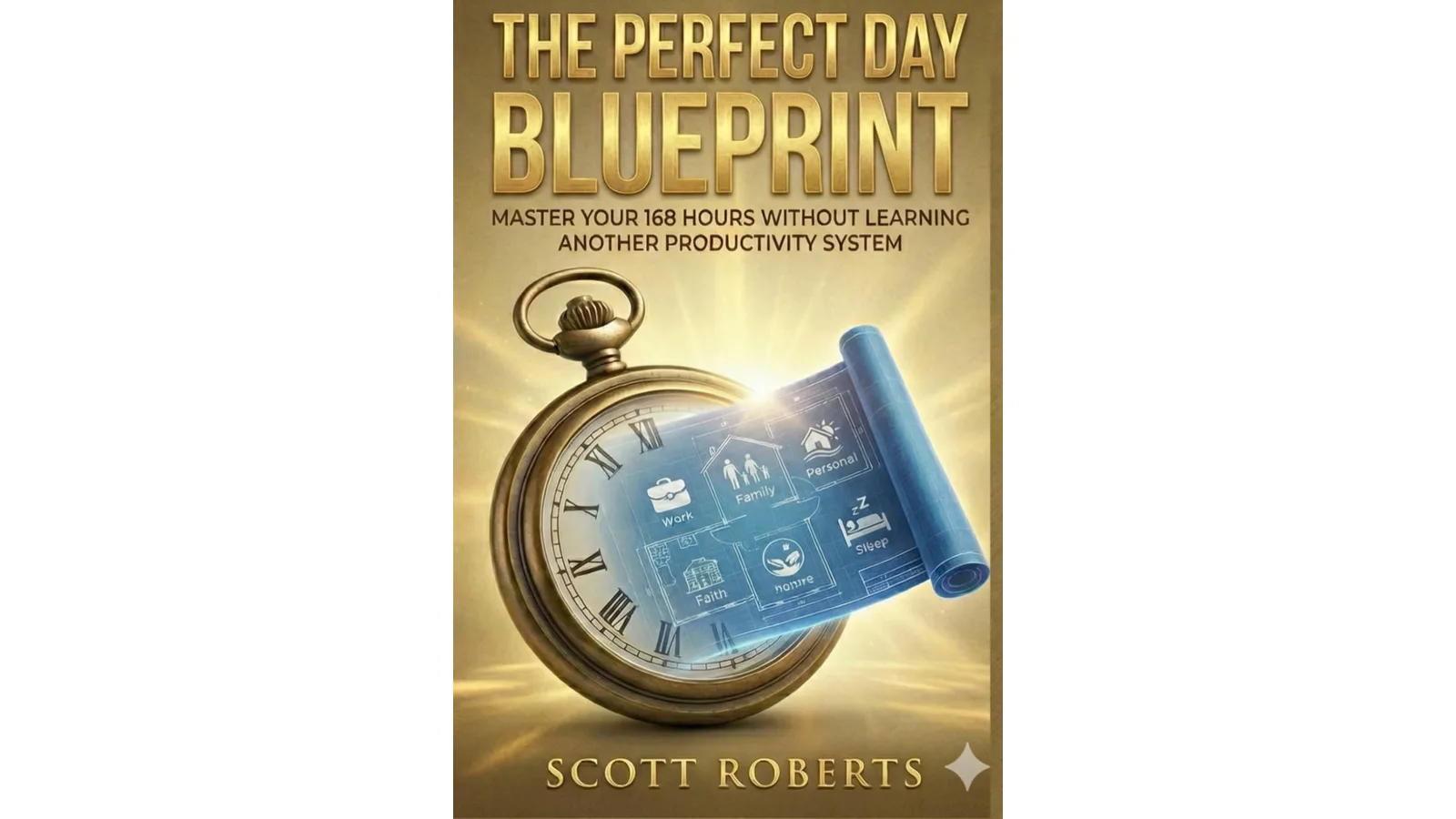
Perfect Day Blueprint Keynote / Training
Design YOUR Perfect Day
The Perfect Day Blueprint KeynoteTwo things you can start today to save yourself up to 2 hours per dayThe ProblemYou work long hours and still fall behind. Your calendar fills up, but your priorities don't move. You say yes to everything and end each day...

Being Busy Is Not the Same as Being Productive
What is the real difference between BUSY and PRODUCTIVE
Your audience walks in exhausted and walks out with a plan. This keynote breaks the myth that a full calendar means a full life. Most leaders confuse motion with progress. They answer every email, attend every meeting, and end the day wondering where the time...

Accountability At Work: The 70/30 Formula
Ownership without micromanagement: how to hold people accountable without being a jerk
A practical framework for holding people accountable without micromanaging or avoiding the conversation. Clear expectations, real ownership, and the follow-up conversations that keep performance on track, taught with stories, scripts, and in-room practice.
