Healthcare measures almost everything. But some of the things patients and families remember most are the hardest to measure.
I learned that from the other side of the bed.
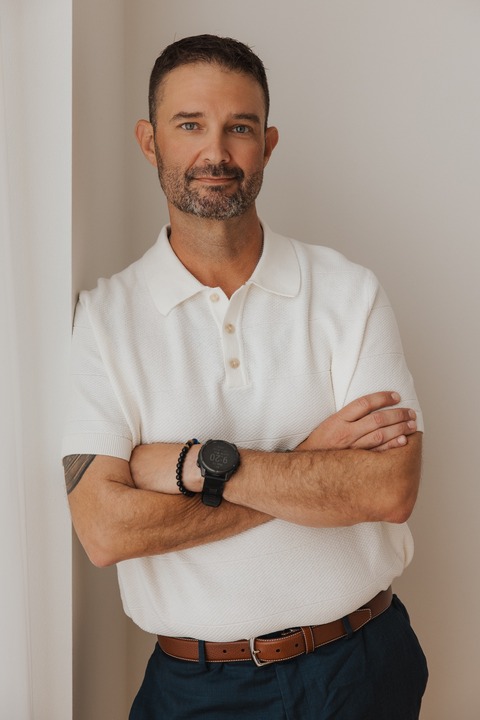
In 2018, I spent months hospitalized with end-stage liver failure before receiving the liver transplant that saved my life. During that time, my family and I experienced healthcare at its most complex—specialists, technology, procedures, policies, difficult decisions, and uncertainty.
Years later, I don't remember every clinical detail. I remember people.
I remember the moments when someone made me feel seen instead of managed. I remember how people communicated when my family was scared. I remember the difference between receiving excellent medical care and actually feeling cared for.
The Human Side of Healthcare Quality asks healthcare professionals and leaders to look beyond the metrics without dismissing their importance.
Through the perspective of a patient, family member, transplant recipient, and nonprofit leader working with transplant families, I explore the human interactions that can disappear inside even the best healthcare systems.
This isn't about asking healthcare professionals to care more. Most already care deeply. It's about recognizing the small behaviors, conversations, and moments of connection that determine how that care is actually experienced.
Audiences leave reminded that quality isn't only what happens to a patient. It's also what a patient remembers about the people who were there when they needed them most.